
- Member cities discuss sustainable tourism city strategies centered on cultural heritage and local tourism innovation
- Meeting explores dispersing tourism demand and strengthening inter-city cooperation in line with Korea’s ‘Great Leap Forward for Regional Tourism’ policy
- Data-driven demand analysis and public-private collaboration point to new directions for local tourism development

The Tourism Promotion Organization for Global Cities (TPO) held the ‘TPO Regional Meeting 2026 for Korean Members’ in Gimhae, Gyeongsangnam-do Province, from July 23 to 24, discussing sustainable tourism city development strategies built on cultural heritage and everyday local culture, along with avenues for cooperation among member cities.
Held under the theme ‘Sustainable Tourism City Strategies Through Cultural Heritage and Local Tourism Innovation,’ the meeting was organized for TPO’s 45 Korean member cities. Some 50 participants attended, representing President City Busan Metropolitan City along with Gimhae, Daegu Metropolitan City, Jeju Special Self-Governing Province, and other cities — 10 in total — as well as eight organizations and companies including the Korea Tourism Organization, the Gyeongnam Tourism Foundation, the Daegu Tourism Association, the Gimhae Culture and Tourism Foundation, and Myrealtrip, who shared policies and practical cases for responding to a changing tourism environment.
The meeting carried added significance as it coincided with the 48th Session of the UNESCO World Heritage Committee — the first time the session has been hosted in Korea — held in Busan, and took place in Gimhae, the historic center of Gaya culture and home to the UNESCO World Heritage-listed Daeseongdong Tumuli. Gathering in a World Heritage city, Korean member cities came together to discuss heritage preservation and its tourism applications, lending the meeting particular symbolic weight and timeliness.

Tourism is increasingly moving beyond a focus on well-known destinations toward the reinterpretation of local heritage, cuisine, and everyday life as new forms of tourism content. Against this backdrop, the meeting focused on policies and cooperation measures through which cities can turn their distinctive local assets into tourism competitiveness.
Lee Hyun-jin, Head of the Regional Tourism Content Department at the Korea Tourism Organization, presented the organization’s strategy for revitalizing regional tourism in line with the government’s ‘Great Leap Forward for Regional Tourism’ policy direction, outlining key policies and support programs aimed at dispersing tourism demand currently concentrated in the greater Seoul area and a small number of well-known destinations.
Representatives of member cities discussed ways to align national tourism policy with local initiatives, exchanging views on inter-city cooperation measures such as developing linked tourism products, joint marketing, and coordinated visitor-attraction efforts.
The subsequent workshop featured leading tourism policy cases from member cities alongside a cooperation model from a private tourism platform. Gimhae, Jeju Special Self-Governing Province, and Ulsan Metropolitan City presented policies built on local cultural heritage and tourism resources, sharing their experience of developing regional history and culture into tourism content.
Myrealtrip delivered a special presentation titled ‘Reading Travel Demand Through Data: Building Local Tourism Together with Local Governments,’ introducing cases in which traveler search and booking data were used to analyze regional tourism demand and translate it into actual visits and local experiences.
The presentation also proposed ways for local governments and private platforms to jointly uncover lesser-known local tourism assets and experiential content and promote them in line with traveler demand, drawing strong interest from participants.
On the second day, participants toured Gimhae’s major tourism sites to see firsthand how the city incorporates its cultural heritage into contemporary tourism content, visiting the UNESCO World Heritage Daeseongdong Tumuli, the Gimhae National Museum, and the Gimhae City Kim Young-won Art Museum Park.

The meeting served as a platform to explore new avenues for cooperation in local tourism by connecting national tourism policy with the field experience of member cities and the data and marketing capabilities of private platforms.
Participants shared approaches for rediscovering local heritage and everyday assets as tourism content and for public–private cooperation in developing and expanding local tourism experiences. They also agreed to pursue a more balanced regional distribution of tourism demand and the development of sustainable tourism cities through continued policy exchange and joint projects among member cities.
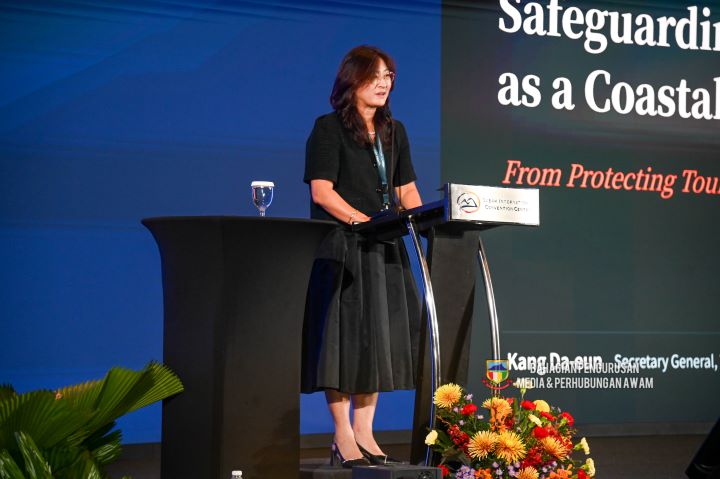
“It is meaningful to have discussed how to develop local tourism through cultural heritage in Gimhae, the historic city of Gaya culture, during the period of the UNESCO World Heritage Committee session,” said TPO Secretary General Kang Da-eun. “Connecting each city’s distinctive culture and everyday assets into new tourism experiences is where the competitiveness of local tourism begins, and we will continue to identify practical cooperation projects among cities based on the policies and experience shared at this meeting.”
TPO is an international network of tourism cities that promotes policy exchange and joint projects among its member cities. Through its regional meetings, TPO shares tourism issues by region and continues to expand cooperation among member cities.


Leave a Reply